
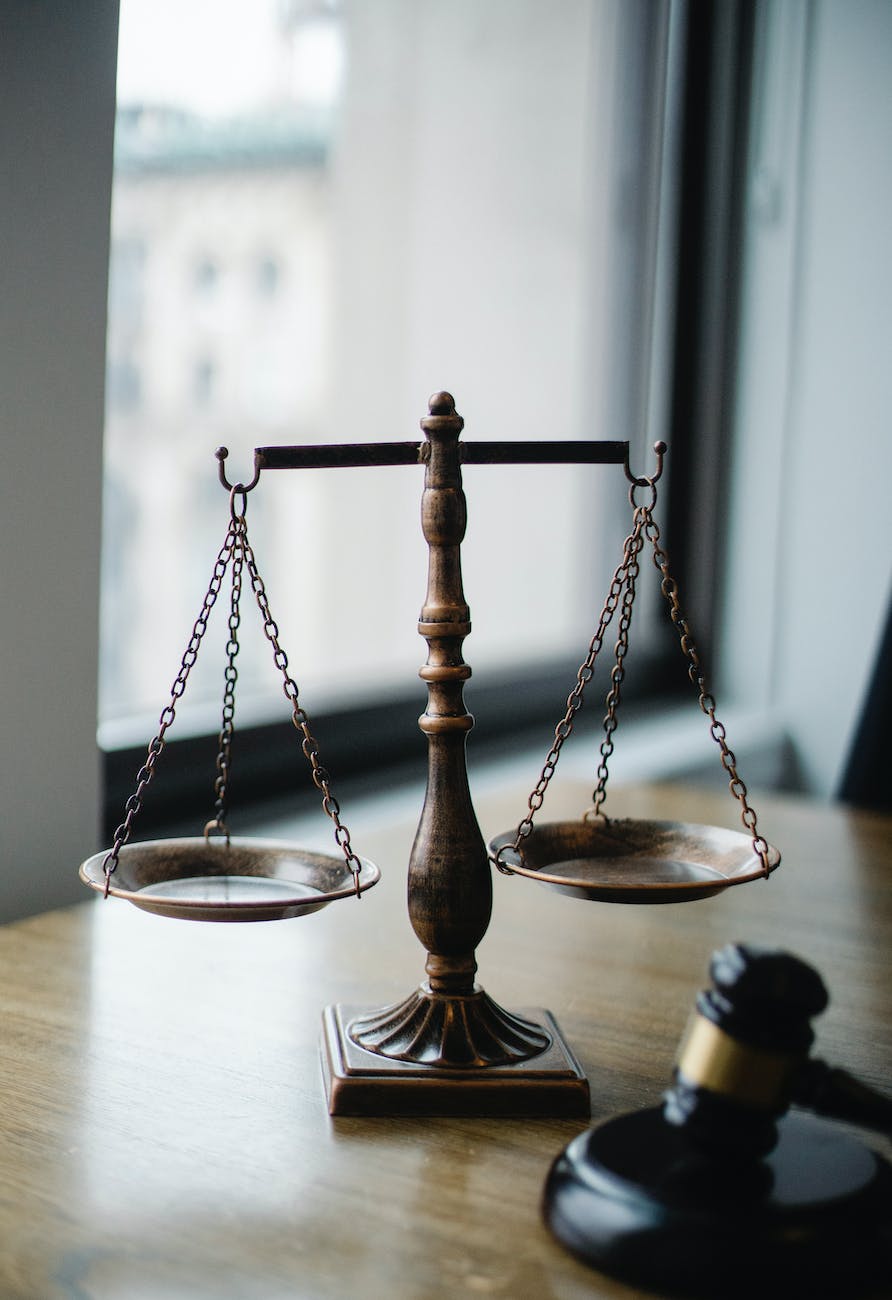
Criminal defendants who are charged with a crime but not yet indicted often are understandably anxious about the grand jury process. That anxiety is only intensified when they learn that grand jury is a secret process, a grand jury indictment only requires probable cause, and that their lawyer won’t be present. But it isn’t all bad news. Grand jury can sometimes be used as a filter, and prosecutors will often reduce or dismiss charges during the grand jury process.
A grand jury is comprised of members of the community, similar to a jury in a trial (also called a petit jury). The grand jury will hear evidence and then decide whether probable cause has been established and if so, indict a defendant, or “True Bill” the case. If insufficient evidence is found, a case is “No True Billed”. The rules of grand jury are state specific and regular practice will vary quite a bit depending on jurisdiction.
In Kentucky, all grand jury testimony is recorded but hearsay testimony is allowed. This means that lay witnesses rarely testify and the usual practice is for a single police officer to testify about all of the relevant facts. A criminal defendant who is indicted is entitled to the transcript or recording of this testimony, and the common modern practice is for the proceeding to be audio-recorded. Given that the indictment is usually a bare-bones document, the grand jury recording is often the best outline of what the allegations are, yet surprisingly, most defense attorneys do not request them. This is often a mistake. Neither state court prosecutors or police officers spend a lot of time preparing for grand jury; rather, grand jury is seen as a mere procedural hurdle. This means that grand jury testimony often contains inconsistencies or inaccuracies that can be impeached at trial.
Kentucky also allows for a criminal defendant to request that evidence be presented at grand jury. This is a powerful tool and but should be used sparingly. Often, this will lead to a request for a defendant to testify before the grand jury. Or, it can lead to specific evidence, such as a video, being shown. The grand jurors are not required to consider this evidence but in practice they usually welcome it and will more closely scrutinize the case. It is a risky strategy to present evidence (especially live testimony) since the defense attorney cannot be present, but in the right circumstances, live testimony can be devastating to chances of an indictment. This rule is usually invoked in situations where the defense attorneys believe there is a reasonable likelihood of the charges being dismissed or reduced.
Ohio grand juries are much more formal than in Kentucky, and they will usually have lay witnesses testify. Ohio also takes a very different approach to grand jury secrecy and treat that testimony as secret from the defendant, even after they’ve been indicted. This secrecy has been interpreted to prevent defendants from getting grand jury transcripts in most circumstances, and only then after a court’s review. This means that the value of grand jury proceedings from a defense perspective is not the additional discovery, but rather testing whether the prosecution’s witnesses appeared and/or were cooperative. Many cases are not indicted due to witnesses failing to appear at grand jury.
The period after an initial charge is brought but before indictment is essential in defending a client. If a case is going to be dismissed or reduced, that is often the best time to make a pitch to the prosecutor. Having an attorney that is well versed in the rules and grand jury practices of a jurisdiction is a massive advantage in achieving the best outcome.